Uganda Joins the Global Access to Oncology Medicines (ATOM) Coalition to Improve Cancer Care
For many people in countries like Uganda, a cancer diagnosis is devastating — often experienced as a death sentence. Now, a landmark coalition aims to change that reality by bringing life-saving medicines within reach.
Cancer is often viewed as a death sentence across much of Africa, reflected in the region's poor five-year survival rates. The disease is associated with complex and distressing symptoms — pain, fatigue, breathlessness, and cachexia — that can be managed and alleviated, if the appropriate medicines are available.
The World Health Organisation has approved an essential medicines list to support services in managing patient symptoms. Yet in most African countries, these medicines are not reliably accessible. This gap exposes families to severe financial hardship. Those who cannot afford medicines are left to endure suffering that profoundly diminishes their quality of life.
The African Palliative Care Association is committed to working with governments and key stakeholders to ensure access to essential, affordable cancer medicines and diagnostics across Africa.
A Coalition Committed to Change
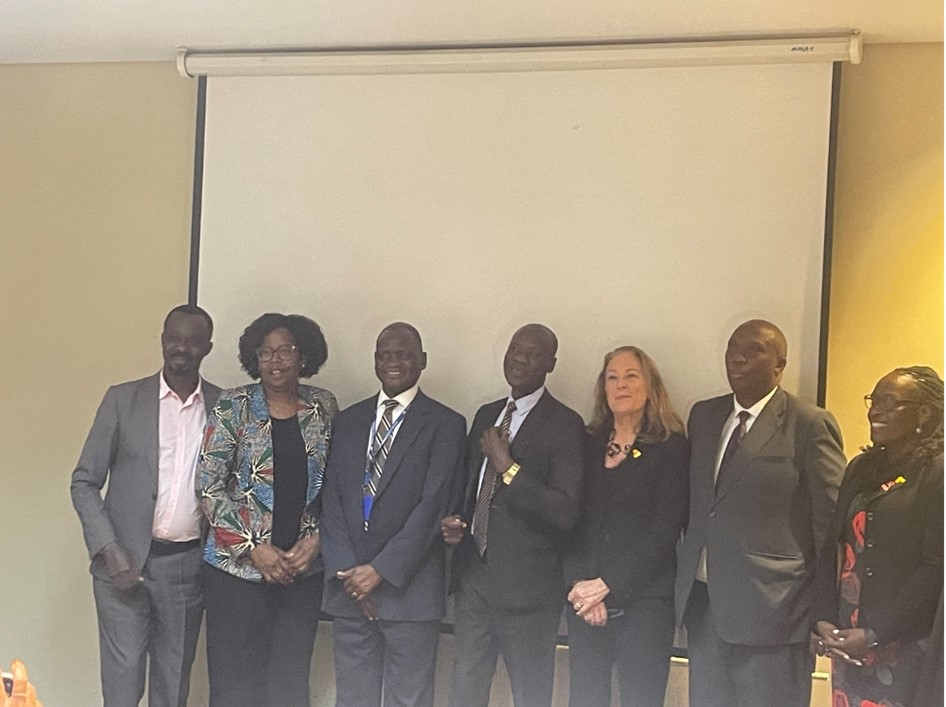
On 25th February 2026, the Access to Oncology Medicines (ATOM) Coalition — together with local partners — officially launched ATOM in Uganda at an event held at Sheraton Hotel in Kampala.
The day before the main launch, on 24th February, doctors, nurses, and representatives from diverse organisations gathered at Emin Pasha Hotel for a focused technical session on cancer care. Participants shared ideas on how to bring care closer to children, families, and communities. A clear consensus emerged: working together is the only path to saving more lives.
Partners and Pledges
At the official launch, senior leaders made formal commitments to ensuring that medicines reach patients safely and equitably. Partners in attendance included:
- Ministry of Health Uganda
- World Health Organization (WHO)
- Uganda Cancer Institute
- National Drug Authority
- African Palliative Care Association (APCA)
- Union for International Cancer Control (UICC)
- ANANDA Centre for Cancer Research
In a significant show of commitment, the Ministry of Health formally signed an agreement with the UICC at the launch event, signalling Uganda's determination to make the initiative a success.
What ATOM Will Deliver
The ATOM programme will support Uganda across three critical pillars, working to dismantle the barriers that have long kept life-saving cancer treatment out of reach:
- Getting medicines to the people who need them
- Training doctors, nurses, and health workers
- Finding sustainable ways to fund medicines so families are not left without help
For Ugandans facing cancer, this initiative offers a powerful message of hope. With governments, APCA, and other stakeholders working in concert, more cancer patients across Africa will be able to access the care and medicines they need — to fight cancer and to live longer, healthier lives.


