A Testament to Ethos and Resilience
Author: Dr. Nahla Gafer.
To change a system for the better, we need a revolution — and there is no better way to achieve this than through the dissemination of knowledge, skills, and expertise, but more importantly, of attitudes, ethos, and values.
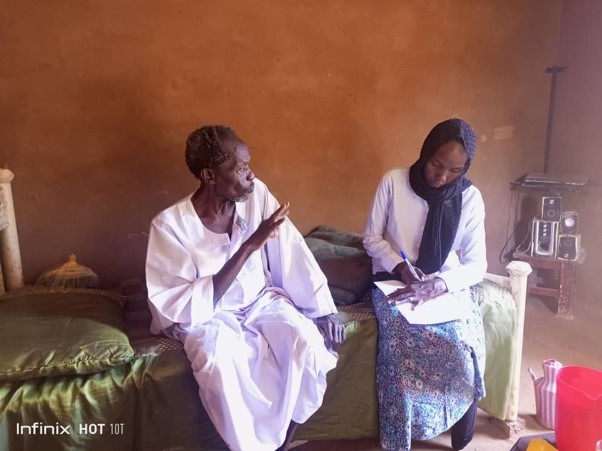
A palliative care nurse from Sudan takes extra measures to keep her patients’ files well organised and meticulously maintained; she contacts patients outside official working hours — with no reimbursement — to follow up on pain management, adjust doses of oral morphine, and ensure that there is no constipation. This same nurse endured immense danger and profound losses during a deeply troublesome six-month period when war broke out in 2023. Fleeing under great difficulty with her family, she did not forget her patients. Fortunately, the habit of contacting patients by phone proved its worth: she had retained a good number of their contact details. She started dialling them one by one, giving advice on where to go assessing symptoms, and counselling patients and their families by telephone; and later, after she had settled in another city, she continued visiting patients — both in their homes and in local hospitals. For further consultation, she connects with her team online.
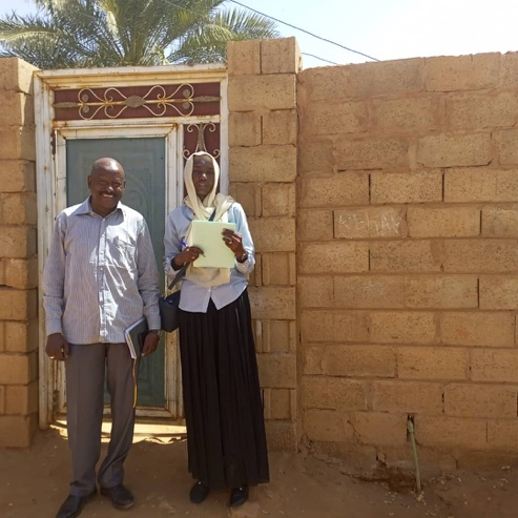
The same spirit was evident with the psychologists, who now single-handedly document side effects of treatment, patients’ journeys, and — most importantly — provide patients and their families with social and psychological support. A dispersed team, yet like seeds that take root, each has grown into a new centre of care in the places they have settled. Four nurses, two psychologists, and two medical officers have come together in a network with palliative care physicians, united by the goal of continuing the exemplary work they had been doing and by the conviction that holistic care is a right — and can still be provided even during a humanitarian crisis.
Hag Omer (pseudonym) was estranged from his family, facing terminal cancer and suffering through the cold of winter 2024; his wife and daughter were in another city, separated by the difficult living conditions and minor disputes. Nurse Mahasin managed to visit him in hospital, advise the treating doctor of the importance of regular pain medication, and contact his wife, explaining that this was a time for reconciliation — and she succeeded in that endeavour. She also procured him a blanket. He expressed his gratitude with tears in his eyes: “I never thought I mattered any more.”
Another patient contacted Mahasin reporting severe back pain; working alone, Mahasin recommended a high dose of dexamethasone, arranged imaging of the spine, and referred her for urgent radiotherapy to the back. Through her networking, it was possible to deliver the radiotherapy promptly and preserve lower limb function.
Mahasin recalls another encounter, from her work in River Nile State after the war broke out:
I visited Hajja Atiya, a sixty-year-old woman living with advanced breast cancer. She had a deep, infected wound — suppurating, and carrying with it a smell that filled the room. When I arrived at her home, I found her living in a room apart from the rest of her family. They could not bear the odour of the wound, and so she had been set aside, alone.
The loneliness was hurting her more than the illness itself.
I entered without putting on a mask. She looked at me, startled, and said: “Put your mask on — no one visits me without a mask. Not even my children.” I smiled at her and said: “Hajja Atiya, you carry the scent of jasmine — it is the wound that does not.” I pulled a chair and sat close beside her, without hesitation and without distance. At that, she broke down and wept: “No one has come near me in months.”
I told her: illness has a smell, but it does not change a person’s worth. The smell of a wound is temporary; the fragrance of a soul, when it is good, does not leave.
I told her: your children did not flee from you. They fled from their own fear — they did not know how to help you. After that, I taught one of her sons how to dress the wound, clean it with metronidazole solution, and care for her properly.
Within days, the wound lost its foul odour and its ugly discharge. And one by one, her family began to draw near again.
On a later visit, Hajja Atiya met me with a smile and said: “Doctor — my scent has come back.” She did not mean the smell of the wound. She meant that her dignity had returned — that she felt, once more, like a human being worthy of being approached.
In that moment, I understood: palliative care is not simply the treatment of pain. It is the restoration of dignity, and of hope.
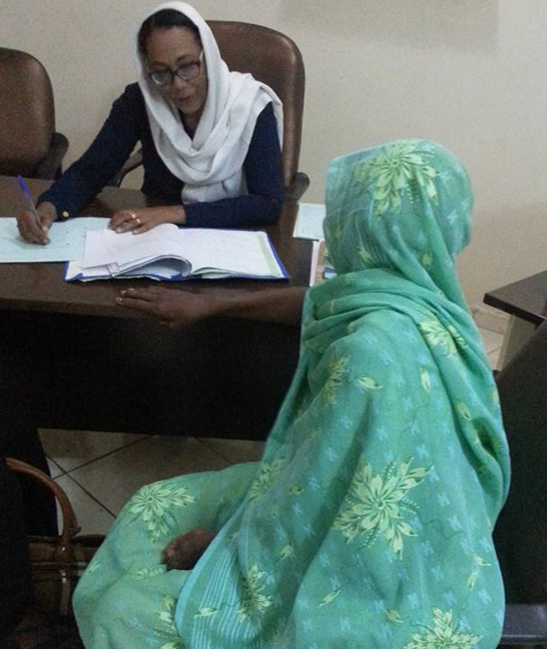
Eman, the psychologist, has become a point of refuge for anyone living with pain or harbouring suspicions of cancer; she is now helping patients understand the importance of seeking proper investigation and of attending their treatment cycles punctually.
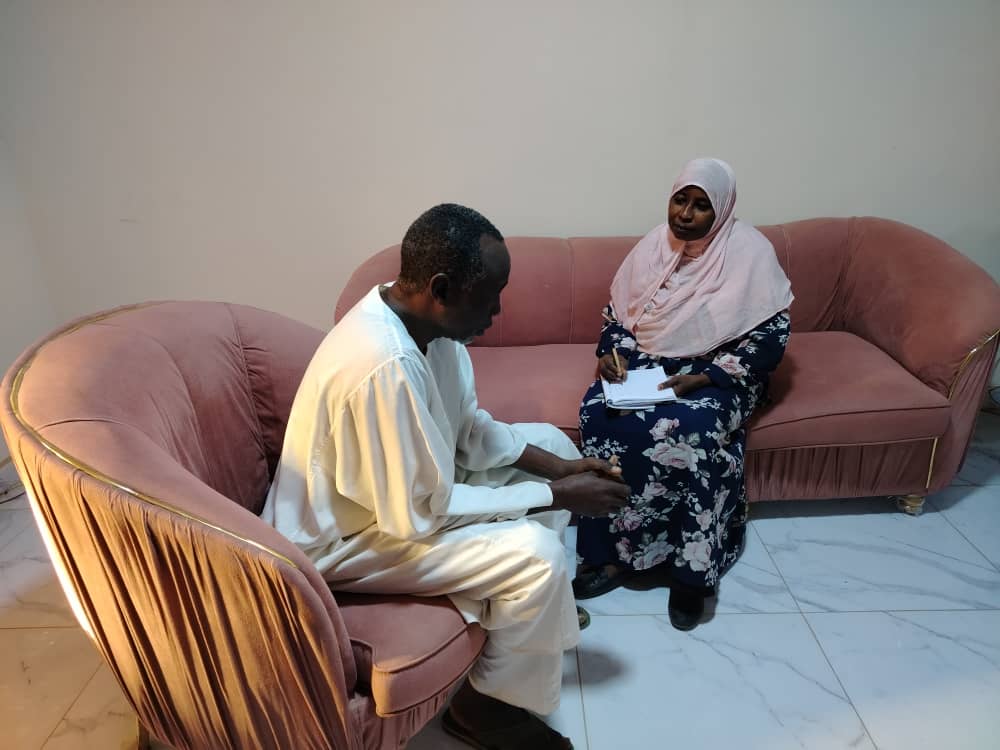 A registrar who joined the palliative care training and is now an oncologist writes: “I would like to thank you, Dr Nahla, for introducing this wonderful field to me. I was reading about the Patient Dignity Inventory — one of its questions asks: during your care, was there anything you felt reduced your value or your dignity? I was reminded of a patient who was seen by the palliative care nurse; the patient took hold of the nurse’s arm and said: ‘Where have you been? I miss you.’ Such are the relationships. Such is the humanity.”
Yes — palliative care in humanitarian settings is possible. Knowledge opens the door; ethos keeps it open.


